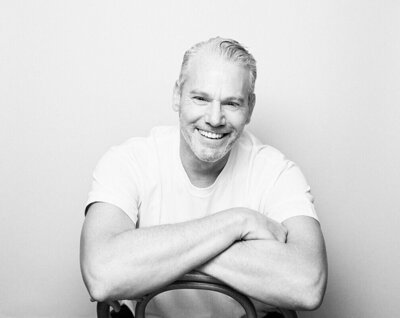
Headshots for bald men: what a great photographer does differently
“I want to look like a shiny bowling ball in my headshots and personal branding photos” – said nobody ever.
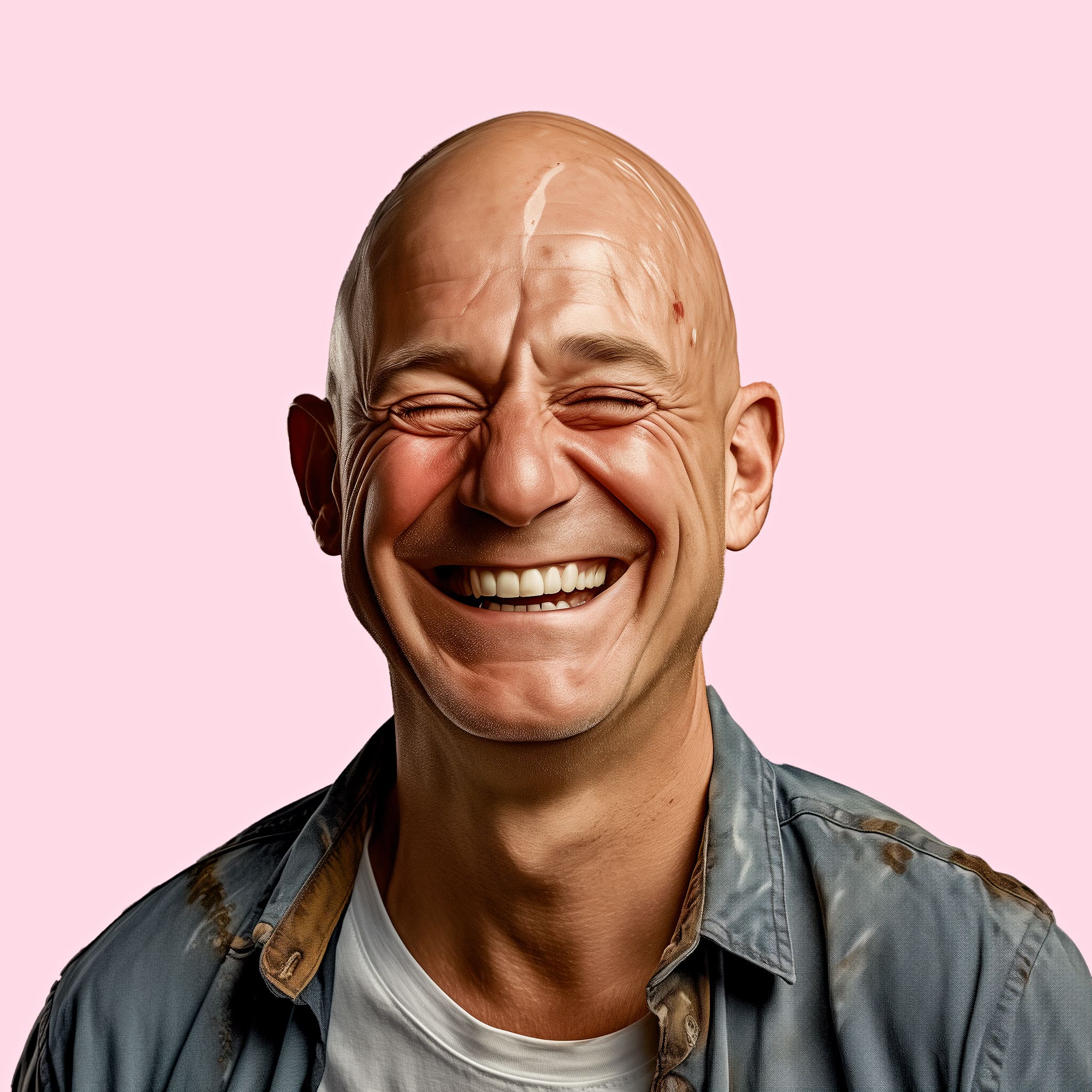
I’ve photographed bald executives, founders and actors in my career – and most were burnt from bad experiences where the photographer made them look shinier than a new car.
That’s not a bald person problem. That’s a bad photographer problem.
Great photography is smoke and mirrors. Accentuate the positive and minimise the negative.
Here’s what separates a great headshot for a bald man from a bad one – and what to look for when you’re choosing who to book.
We’ll cover 2 areas to nail your headshot or photos if you’re bald – 1. pre shoot preparation 2. lighting. 3. post production.
1. Preparation: what to do before your shoot.
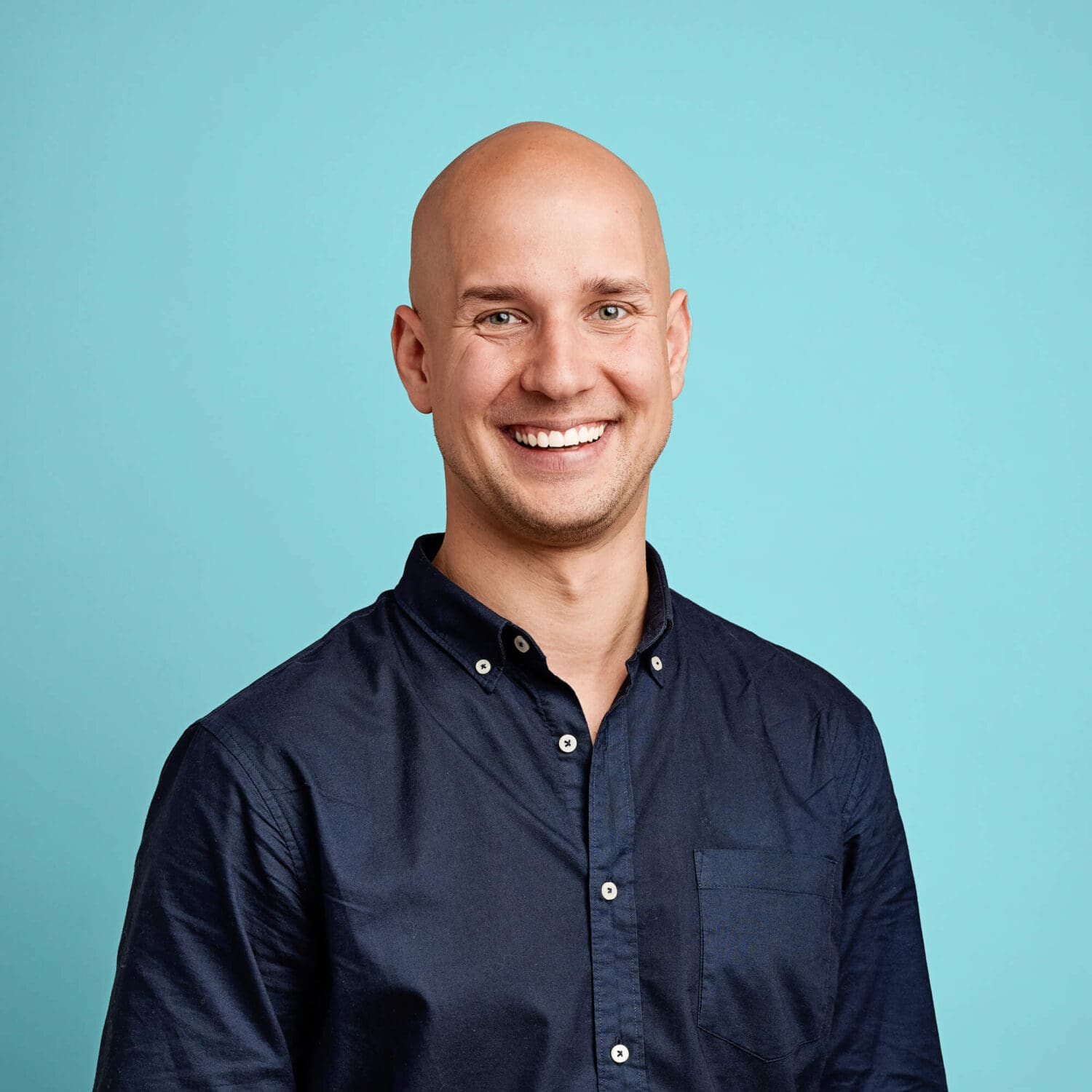
First up — make sure your head is cleanly shaven before your session. A non oily moisturiser is a great starting place too.
If your photographer is using hard lighting, shine on a bald head gets amplified fast. A translucent powder applied to the top of the head before the shoot controls that.
It’s not essential for every shoot. it depends heavily on the lighting setup your photographer uses — but it’s worth having in your back pocket. A good photographer (like me!) should have some on hand.
If you’re not sure what to buy, head to Sephora or Mecca, explain what you need it for, and they’ll sort you out.
2. Lighting: what your photographer should be doing.
This is where a lot of photographers get it wrong.
For bald clients I’ll use a soft main light whenever possible.
What’s soft light? I’m glad you asked! It means a very large light source usually diffused with fabric. Think overcast sky rather than direct sun. It wraps around the head evenly and doesn’t create bright shiny reflections.
Hard light does the opposite. It picks up every detail and creates that glare across the top of the head that makes bald men look like they’re being interrogated rather than photographed. Ain’t nobody got time for that!
The other thing to watch for: hair lights. Photographers use these to separate the subject from the background by highlighting the hair. No hair means a big shiny spot on top of your head instead. If your photographer insists on using hair light, ask them to keep it minimal or skip it entirely.
If your photographer is using a soft light and there’s still major shine they should be flagging the light. That means shielding it so it mainly hits your face and not the top of your head. This is basic technique. If your photographer doesn’t know what flagging is, find a different photographer. Seriously.
A good photographer checks for overexposed areas on your head throughout the shoot and adjusts. A good photographer will always try and minimise issues during the shoot.
BUT, if major shine can’t be avoided, there’s always Photoshop!
3. Post production: fixing problems in Photoshop after the shoot.
If you get your headshots back from your photographer, and there’s still major shine, ask them to fix the issues. It’s super easy to fix with advances in AI retouching.
There’s many different ways your photographer can fix the issue. A quick fix is to circle the area and ask AI to fill in the area in Photoshop.
The bottom line.
I always tell clients, “there’s no such thing as un-photogenic people, you just had bad photographers!”.
Good work doesn’t happen by accident. Work with your photographer closely from pre shoot preparation, photoshoot lighting and post production for a great result.
The right lighting setup, the right preparation, and a photographer who’s done this before makes all the difference between a headshot that makes you look awesome and one that makes you look like you’re standing under a desk lamp.
If you’re in Melbourne and want headshots or personal branding images that actually do you justice?
Book a session using our contact form below.

Published by
Myles Formby is an award winning headshot and personal branding photographer based in Melbourne. He is the founder of Photoform*.
His work is technically precise and full of life. He has developed a reputation for extracting natural performances on camera from anyone.
He has worked as an editorial and fashion photographer and has a deep understanding of colour and lighting.
He's been published in Vogue and worked for national brands like Westfield and JB Hi-Fi.


Ready to level up?
Own the room before you walk into it with our headshots and personal branding photography.
Just fill out the form and you're one step closer to a new you online.
Or give us a call below.
Email us:
Copyright Myles Formby Photoform* 2026. All rights reserved. Unauthorised use of images and content is prohibited without prior written permission.



share this post